
What Is Ativan?
Ativan is the brand name for lorazepam, a prescription medication commonly used to address a variety of conditions related to anxiety and sleep. It is also sometimes prescribed to help with alcohol withdrawal.
Ativan belongs to a class of medications called benzodiazepines, often referred to as tranquilizers. These drugs are also central nervous system (CNS) depressants, meaning they slow down brain activity. By acting on the brain’s GABA receptors, Ativan and other benzodiazepines produce calming and sedative effects.
Key Points About Ativan:
- Commonly prescribed for anxiety disorders, panic attacks, and insomnia.
- Sometimes used in managing alcohol withdrawal symptoms.
- Part of the benzodiazepine drug class (tranquilizers).
- Classified as a central nervous system depressant due to its effects on brain activity.
- Works by targeting GABA receptors, which help produce a calming, sedative effect.
- Can cause drowsiness, relaxation, and reduced anxiety.
Dependence on Ativan can develop in some individuals, especially with prolonged use or higher doses. People with a history of substance use or a family history of addiction may have a higher risk of developing problems with benzodiazepines. The severity of dependence can vary from mild to severe.
The good news is that Ativan dependence is treatable. With the right support, including medical supervision, tapering protocols, therapy, and ongoing recovery care, many people are able to safely reduce their use, manage withdrawal symptoms, and regain stability in their lives.
Misuse and Dependence on Ativan
Ativan abuse happens when the medication is used in ways other than prescribed, or when it is taken without a prescription. While any drug misuse can potentially lead to addiction, Ativan is particularly habit-forming, making it especially important to use it only as directed.
Signs of Ativan Abuse May Include:
- Taking higher doses than prescribed.
- Using Ativan in unintended ways, such as crushing or snorting pills.
- Taking Ativan without a prescription.
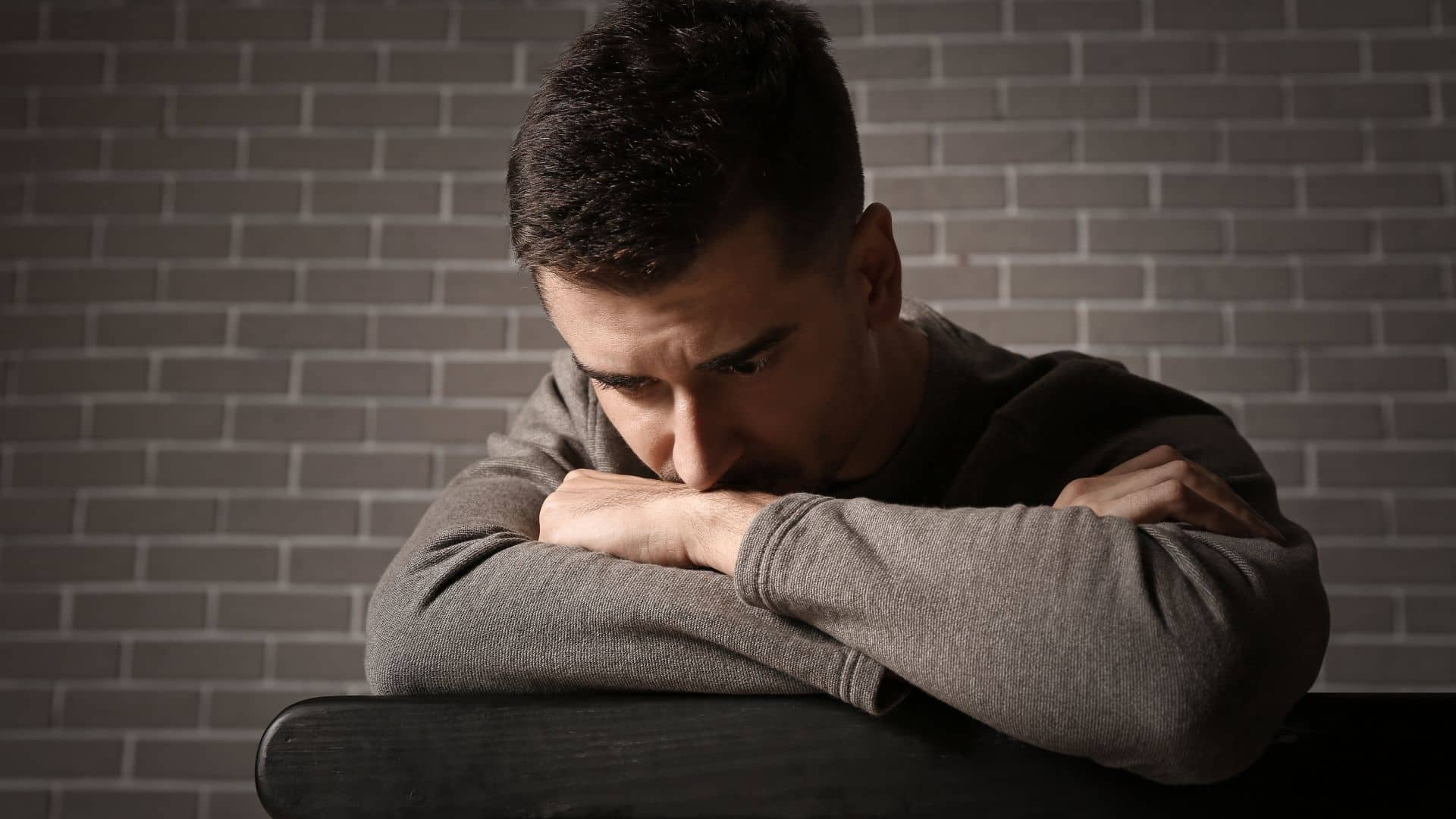
How to Recognize Ativan Addiction
Ativan addiction is also known as Ativan use disorder. When Ativan abuse progresses to addiction, a person may exhibit several signs, including:
- Using Ativan to achieve a high rather than for medical purposes.
- Needing higher doses to experience the same effects, indicating tolerance.
- Engaging in doctor shopping, or visiting multiple healthcare providers to obtain additional prescriptions.
- Taking very large doses of Ativan.
- Spending a significant amount of time obtaining, using, or recovering from Ativan.
- Experiencing withdrawal symptoms when not taking the medication.
Ativan Addiction Treatment
There are a variety of treatment options available for drug addiction, and Ativan dependence is no exception.
Because benzodiazepines like Ativan can be highly addictive, specialized treatment centers are prepared to help individuals overcome this addiction, offering support and guidance on the path to a healthier, more stable life.
Ativan Detoxification Process
Withdrawing from Ativan can cause serious side effects, which is why medical detox is strongly recommended instead of attempting to stop on your own. During detox, trained medical professionals monitor your vital signs and ensure your safety and comfort throughout the process.
In many cases, patients are gradually tapered off Ativan under medical supervision, helping to minimize withdrawal symptoms and reduce the risk of complications.
Ativan Rehabilitation Programs
There are several types of treatment centers available to help individuals recover from Ativan addiction.
Some programs provide inpatient care, where you live at a treatment facility for a period of time and receive both medical and mental health support. Outpatient programs are also widely available, allowing you to receive treatment while maintaining your daily routine.
Your treatment plan may depend on the severity of your addiction. Those with more advanced dependence might begin in an inpatient program and later transition to outpatient care. For milder cases, a healthcare provider may recommend starting directly with an outpatient program.
It’s important to discuss your options with a doctor or qualified healthcare professional. They can help determine the best approach for your individual needs, considering your current health and level of addiction.
Real Support. Real Healing.
We provide compassionate support and guidance for ativan addiction recovery, helping you take real steps toward lasting sobriety and a healthier, brighter future.

“Struggling with Ativan addiction felt impossible at first. With the support and guidance I received through Recovery With Us, I was able to safely detox and start rebuilding my life. I finally feel like myself again.”
Mark T.
Supporting Loved Ones Through Addiction
Watching a friend or family member struggle with addiction can be extremely difficult, but you don’t have to face it alone. Whether your loved one is in treatment or still actively using, there are a variety of support options available for friends and family members.
In-person support groups, like Al-Anon, offer a safe space to connect with others who understand the challenges of having a loved one with an addiction. Participants can share experiences, offer empathy, and provide mutual support.
There are also online options, including virtual meetings, forums, and discussion boards, which make support accessible no matter where you are.
Even during this emotional and challenging time, connecting with peers who truly understand your experience can provide comfort, guidance, and strength.
Find Local Ativan Recovery Programs
If you or a loved one is struggling with Ativan addiction, there are safe and effective treatment options available to help you regain control.
Not sure where to begin? Contact Recovery With Us for guidance and information about Ativan treatment programs in your area.
With the right support and resources, recovery is possible, and a healthier, more stable future is within reach.
FAQs About Ativan Addiction
1. What is Ativan addiction?
2. What are the signs of Ativan addiction?
Common signs include taking higher doses than prescribed, using Ativan to get high, doctor shopping, spending significant time obtaining or using the drug, and experiencing withdrawal symptoms when not taking it.
3. Can Ativan addiction be treated?
Yes. With proper treatment, including medical detox, therapy, and ongoing support, individuals can safely overcome Ativan addiction and work toward long-term recovery.
4. What is Ativan detox, and is it necessary?
5. What treatment options are available for Ativan addiction?
Treatment may include inpatient programs, where individuals live at a facility while receiving medical and mental health care, and outpatient programs, which allow treatment while maintaining daily routines. The right option depends on the severity of the addiction.
6. How long does it take to recover from Ativan addiction?
Recovery varies for each person. Detox may take days to weeks, while ongoing treatment and therapy can last months. Full recovery also includes learning coping skills and rebuilding daily routines to maintain long-term sobriety.